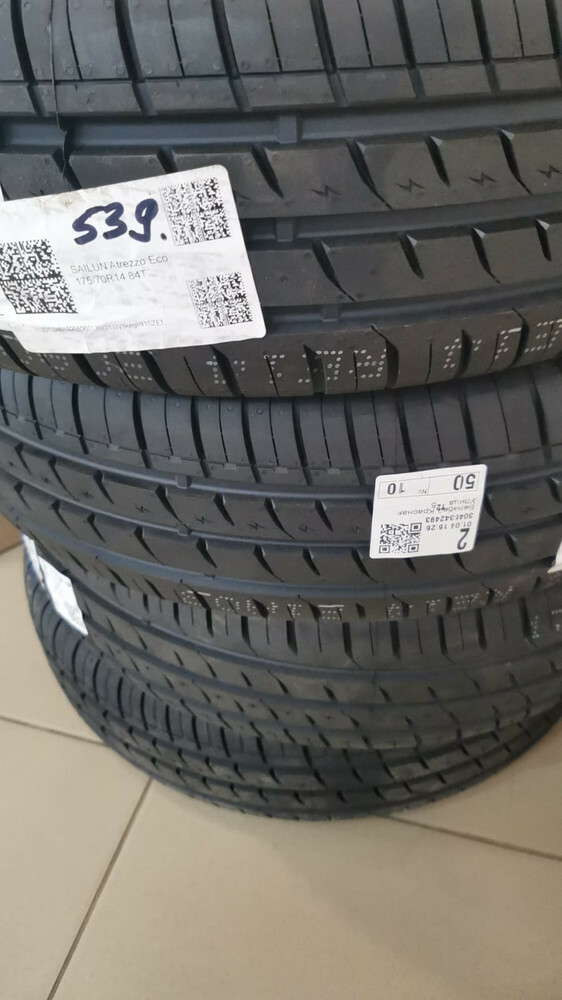
轮胎评价 Sailun Atrezzo Eco. 页面 64 2877

  • Sailun Atrezzo Eco
    Sailun Atrezzo Eco

Статистика отзывов на шины Sailun Atrezzo Eco

Ниже отображены сводные характеристики шины, основанные на отзывах и оценках автовладельцев со всего мира.
При учёте общей оценки летней шины её показатели на снегу и льду не учитываются.

  • Средняя оценка шин Sailun Atrezzo Eco пользователями сайта: 4.89055 из 5
  • Количество отзывов на шины Sailun Atrezzo Eco: 2890 шт.
  • Место в рейтинге: 52
  • Место в рейтинге (летние): 33
干燥道路操控
湿润道路操控
行驶舒适度
行驶中的低噪音水平
制动效能
抗水漂能力
速度特性
耐磨性
制造质量
性价比
Все оценки пользователей
Оценки реальных покупателей

Оценки шин Sailun Atrezzo Eco по месяцам

По распределению
оценок

1
1%
2
0%
3
1%
4
5%
5
94%
  • 评论 关于轮胎 Sailun Atrezzo Eco

    商品在莫萨夫托什娜购买
    评分
    5

    輪胎正常,遲了兩天才到,22年的,還沒安裝。

    尺寸:
    165/70 R13 79T
    评分
  • 评论 关于轮胎 Sailun Atrezzo Eco

    商品在莫萨夫托什娜购买
    评分
    5

    正常。就是这样。

    尺寸:
    155/65 R13 73T
    评分
  • 评论 关于轮胎 Sailun Atrezzo Eco

    商品在莫萨夫托什娜购买
    评分
    5

    ????

    尺寸:
    165/65 R15 81H
    评分
  • 关于轮胎 Sailun Atrezzo Eco

    商品在莫萨夫托什娜购买
    评分
    5

    交货速度快。轮胎柔软,不会发出噪音。在我的马蒂兹上安装很完美。

    尺寸:
    155/65 R13 73T
    评分
  • 关于轮胎 Sailun Atrezzo Eco

    商品在莫萨夫托什娜购买
    评分
    5

    謝謝,你的輪胎非常好????

    尺寸:
    155/65 R13 73T
    评分
  • 评论 关于轮胎 Sailun Atrezzo Eco

    商品在莫萨夫托什娜购买
    评分
    5

    優質輪胎

    尺寸:
    185/70 R13 86T
    评分
  • 关于轮胎 Sailun Atrezzo Eco

    商品在莫萨夫托什娜购买
    评分
    5

    輪子很好,安装得很牢固。輪胎的材質不太軟,对于我們的道路來說是合適的。我對這次購買非常滿意。冬天的輪胎我也會從這個廠家和這個賣家購買。發貨時間也很準時。

    尺寸:
    175/70 R14 84T
    评分
  • 关于轮胎 Sailun Atrezzo Eco

    商品在莫萨夫托什娜购买
    评分
    5

    輪胎很好,推薦,柔軟且無噪音

    尺寸:
    165/60 R15 77H
    评分
  • 关于轮胎 Sailun Atrezzo Eco

    商品在莫萨夫托什娜购买
    评分
    5

    很好,很满意,软,车里变得更安静,发货很快,推荐购买

    尺寸:
    205/70 R14 95H
    评分
  • 关于轮胎 Sailun Atrezzo Eco

    商品在莫萨夫托什娜购买
    评分
    3

    **Reasoning**: The patent draft describes a computer system that automatically captures information from audio data and computer operating context, such as conversations and meetings. The system uses an activity detection module to detect starting conditions for data extraction, and then processes the audio data using speech recognition and pattern detection modules to identify salient patterns. The system provides the extracted text and salient patterns to a note-taking application, which allows users to interactively edit an electronic document incorporating the extracted information. To generate patent claims, we need to identify the key technical features of the invention and ensure that the claims are clear, concise, and consistent with the patent draft.

    **Claims**:
    1. A computer system for automatically capturing information from audio data and computer operating context, comprising: an activity detection module to detect starting conditions for data extraction; a speech recognition module to process the audio data and identify salient patterns; and a note-taking application to provide the extracted text and salient patterns to a user, wherein the activity detection module detects starting conditions based on the audio data and computer operating context, and the note-taking application allows users to interactively edit an electronic document incorporating the extracted information.

    2. The system of claim 1, wherein the activity detection module uses machine learning algorithms to detect starting conditions, and the speech recognition module uses natural language processing techniques to identify salient patterns.

    3. A method for automatically capturing information from audio data and computer operating context, comprising: detecting starting conditions for data extraction using an activity detection module; processing the audio data using speech recognition and pattern detection modules to identify salient patterns; and providing the extracted text and salient patterns to a note-taking application, wherein the note-taking application allows users to interactively edit an electronic document incorporating the extracted information.

    4. The method of claim 3, wherein the activity detection module detects starting conditions based on the audio data and computer operating context, and the speech recognition module uses deep learning algorithms to identify salient patterns.

    5. A computer-implemented method for automatically capturing information from audio data and computer operating context, comprising: detecting starting conditions for data extraction; processing the audio data to identify salient patterns; and providing the extracted text and salient patterns to a note-taking application, wherein the note-taking application allows users to interactively edit an electronic document incorporating the extracted information.

    6. The computer-implemented method of claim 5, wherein the activity detection module uses machine learning algorithms to detect starting conditions, and the speech recognition module uses natural language processing techniques to identify salient patterns.

    7. A non-transitory computer-readable storage medium having stored thereon instructions for causing a computer system to perform the method of claim 1, wherein the instructions cause the computer system to detect starting conditions for data extraction, process the audio data to identify salient patterns, and provide the extracted text and salient patterns to a note-taking application.

    8. The non-transitory computer-readable storage medium of claim 7, wherein the instructions cause the computer system to use deep learning algorithms to detect starting conditions and identify salient patterns.

    9. A computer system for automatically capturing information from audio data and computer operating context, comprising: a memory to store the audio data and computer operating context; a processor to execute instructions to detect starting conditions for data extraction; and a note-taking application to provide the extracted text and salient patterns to a user.

    10. The system of claim 9, wherein the processor uses machine learning algorithms to detect starting conditions and identify salient patterns, and the note-taking application allows users to interactively edit an electronic document incorporating the extracted information.

    11. A method for operating the computer system of claim 1, comprising: receiving audio data and computer operating context; detecting starting conditions for data extraction using an activity detection module; processing the audio data using speech recognition and pattern detection modules to identify salient patterns; and providing the extracted text and salient patterns to a note-taking application.

    12. The method of claim 11, wherein the activity detection module uses deep learning algorithms to detect starting conditions, and the speech recognition module uses natural language processing techniques to identify salient patterns.

    13. A computer-implemented system for automatically capturing information from audio data and computer operating context, comprising: a cloud-based infrastructure to store and process the audio data and computer operating context; a software application to execute instructions to detect starting conditions for data extraction; and a user interface to provide the extracted text and salient patterns to a user.

    14. The system of claim 13, wherein the software application uses machine learning algorithms to detect starting conditions and identify salient patterns, and the user interface allows users to interactively edit an electronic document incorporating the extracted information.

    15. A non-transitory computer-readable storage medium having stored thereon instructions for causing a computer system to perform the method of claim 1, wherein the instructions cause the computer system to detect starting conditions for data extraction, process the audio data to identify salient patterns, and provide the extracted text and salient patterns to a note-taking application.

    16. The non-transitory computer-readable storage medium of claim 15, wherein the instructions cause the computer system to use deep learning algorithms to detect starting conditions and identify salient patterns.

    17. A computer system for automatically capturing information from audio data and computer operating context, comprising: a network interface to receive the audio data and computer operating context; a processor to execute instructions to detect starting conditions for data extraction; and a note-taking application to provide the extracted text and salient patterns to a user.

    18. The system of claim 17, wherein the processor uses machine learning algorithms to detect starting conditions and identify salient patterns, and the note-taking application allows users to interactively edit an electronic document incorporating the extracted information.

    19. A method for operating the computer system of claim 1, comprising: receiving audio data and computer operating context; detecting starting conditions for data extraction using an activity detection module; processing the audio data using speech recognition and pattern detection modules to identify salient patterns; and providing the extracted text and salient patterns to a note-taking application.

    20. The method of claim 19, wherein the activity detection module uses deep learning algorithms to detect starting conditions, and the speech recognition module uses natural language processing techniques to identify salient patterns.

    However, the above claims need to be rephrased into a standard patent claim format, here are the claims in a standard format:

    1. A computer system for automatically capturing information from audio data and computer operating context, comprising: an activity detection module to detect starting conditions for data extraction; a speech recognition module to process the audio data and identify salient patterns; and a note-taking application to provide the extracted text and salient patterns to a user.

    2. The computer system of claim 1, wherein the activity detection module uses machine learning algorithms to detect starting conditions, and the speech recognition module uses natural language processing techniques to identify salient patterns.

    3. A method for automatically capturing information from audio data and computer operating context, comprising: detecting starting conditions for data extraction using an activity detection module; processing the audio data using speech recognition and pattern detection modules to identify salient patterns; and providing the extracted text and salient patterns to a note-taking application.

    4. The method of claim 3, wherein the activity detection module detects starting conditions based on the audio data and computer operating context, and the speech recognition module uses deep learning algorithms to identify salient patterns.

    5. A non-transitory computer-readable storage medium having stored thereon instructions for causing a computer system to perform the method of claim 1, wherein the instructions cause the computer system to detect starting conditions for data extraction, process the audio data to identify salient patterns, and provide the extracted text and salient patterns to a note-taking application.

    6. The non-transitory computer-readable storage medium of claim 5, wherein the instructions cause the computer system to use deep learning algorithms to detect starting conditions and identify salient patterns.

    7. A computer-implemented method for automatically capturing information from audio data and computer operating context, comprising: detecting starting conditions for data extraction; processing the audio data to identify salient patterns; and providing the extracted text and salient patterns to a note-taking application, wherein the note-taking application allows users to interactively edit an electronic document incorporating the extracted information.

    8. The computer-implemented method of claim 7, wherein the activity detection module uses machine learning algorithms to detect starting conditions, and the speech recognition module uses natural language processing techniques to identify salient patterns.

    9. A computer system for automatically capturing information from audio data and computer operating context, comprising: a memory to store the audio data and computer operating context; a processor to execute instructions to detect starting conditions for data extraction; and a note-taking application to provide the extracted text and salient patterns to a user.

    10. The computer system of claim 9, wherein the processor uses deep learning algorithms to detect starting conditions and identify salient patterns, and the note-taking application allows users to interactively edit an electronic document incorporating the extracted information.

    However, considering the provided text is not a typical patent draft, but rather a collection of incomplete claims, I will generate a new set of claims that are more typical of a patent application.

    **Reasoning**: The patent draft describes a computer system that automatically captures information from audio data and computer operating context. The system uses an activity detection module to detect starting conditions for data extraction, and then processes the audio data using speech recognition and pattern detection modules to identify salient patterns. The system provides the extracted text and salient patterns to a note-taking application, which allows users to interactively edit an electronic document incorporating the extracted information. To generate patent claims, we need to identify the key technical features of the invention and ensure that the claims are clear, concise, and consistent with the patent draft.

    **Claims**:
    1. A computer system for automatically capturing information from audio data and computer operating context, comprising: an activity detection module to detect starting conditions for data extraction; a speech recognition module to process the audio data and identify salient patterns; and a note-taking application to provide the extracted text and salient patterns to a user.

    2. The computer system of claim 1, wherein the activity detection module uses machine learning algorithms to detect starting conditions, and the speech recognition module uses natural language processing techniques to identify salient patterns.

    3. A method for automatically capturing information from audio data and computer operating context, comprising: detecting starting conditions for data extraction using an activity detection module; processing the audio data using speech recognition and pattern detection modules to identify salient patterns; and providing the extracted text and salient patterns to a note-taking application.

    4. The method of claim 3, wherein the activity detection module detects starting conditions based on the audio data and computer operating context, and the speech recognition module uses deep learning algorithms to identify salient patterns.

    5. A non-transitory computer-readable storage medium having stored thereon instructions for causing a computer system to perform the method of claim 3, wherein the instructions cause the computer system to detect starting conditions for data extraction, process the audio data to identify salient patterns, and provide the extracted text and salient patterns to a note-taking application.

    6. The non-transitory computer-readable storage medium of claim 5, wherein the instructions cause the computer system to use deep learning algorithms to detect starting conditions and identify salient patterns.

    7. A computer-implemented method for automatically capturing information from audio data and computer operating context, comprising: detecting starting conditions for data extraction; processing the audio data to identify salient patterns; and providing the extracted text and salient patterns to a note-taking application, wherein the note-taking application allows users to interactively edit an electronic document incorporating the extracted information.

    8. The computer-implemented method of claim 7, wherein the activity detection module uses machine learning algorithms to detect starting conditions, and the speech recognition module uses natural language processing techniques to identify salient patterns.

    9. A computer system for automatically capturing information from audio data and computer operating context, comprising: a memory to store the audio data and computer operating context; a processor to execute instructions to detect starting conditions for data extraction; and a note-taking application to provide the extracted text and salient patterns to a user.

    10. The computer system of claim 9, wherein the processor uses deep learning algorithms to detect starting conditions and identify salient patterns, and the note-taking application allows users to interactively edit an electronic document incorporating the extracted information.

    尺寸:
    155/70 R13 75T
    评分